


MEDPLASTIC
Line of action, research and dissemination on plastic pollution in the Mediterranean Sea
Pellets pollution
Leading the investigation and denouncing the presence of plastic pellets in the natural environment
Documentals
Expeditions
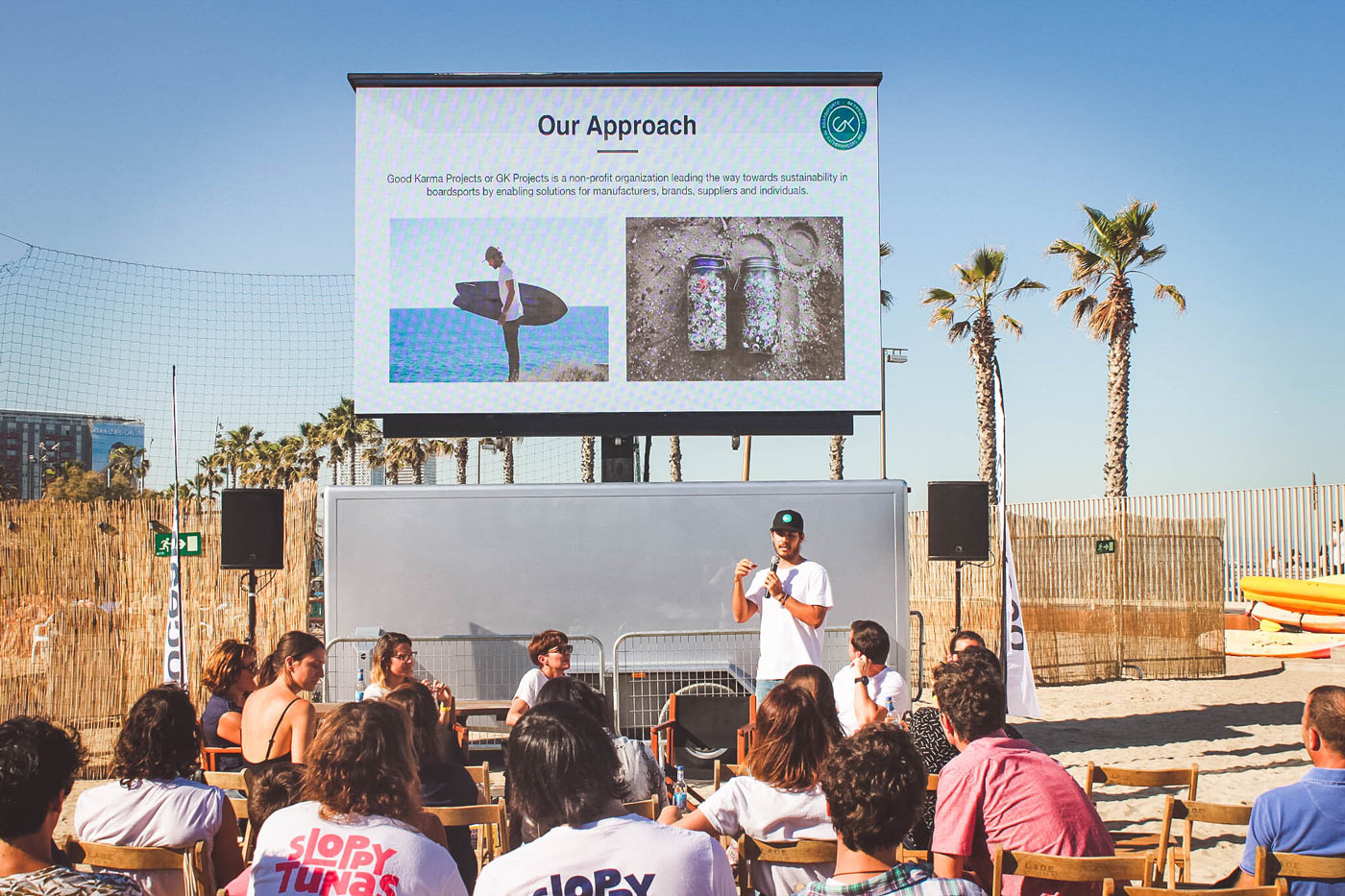
Since 2018 we have been documenting the health of the Mediterranean sea through various outreach and research expeditions
Pellets
Making an invisible problem visible
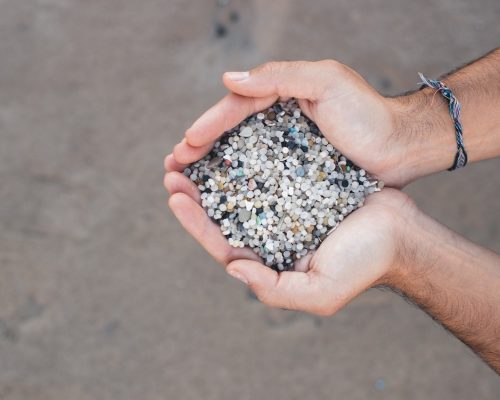
Good Karma Projects has been documenting and investigating the appearance of plastic pellets on the beaches of Tarragona since 2018. Plastic pellets, also known as nurdles or mermaid’s tears, are small spheres that are used as a raw material in the manufacture of almost all plastic items. Due to their small size (normally less than 5 mm) and poor practices, pellets are often “lost” at all stages of the plastic production and distribution chain (production, transport, recycling…).
Pellet contamination in the area is recurrent and constant. In February 2019 the organisation estimated that there could be up to 90 million pellets on La Pineda beach.
MEDPELLETS
Study about the state and dynamics of pellets pollution in the Western Mediterranean
The grant received this year through the Pleamar Programme has allowed us to start an eight-month study about the state and dynamics of plastic pellets pollution in the Western Mediterranean.
The objective: Create a knowledge base about the current state of pellets pollution on the south coast of Catalonia and the north of the Balearic Islands. Obtain evidence about the dynamics of this pollution to promote the design of more efficient countermeasures to prevent this primary microplastic from reaching the sea.
A project carried out with the collaboration of the Biodiversity Foundation of the Ministry for the Ecological Transition and the Demographic Challenge, through the Pleamar Program, co-financed by the FEMP.
Collaborate:

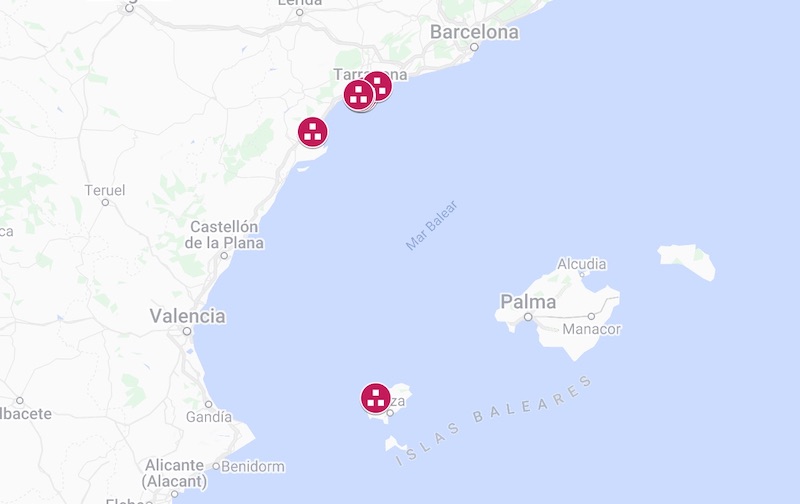
Interactive map of the presence of plastic pellets in the environment
PRESENCE OF PLASTIC PELLETS IN THE ENVIRONMENT The following interactive map shows all points with plastic pellets that have been identified by citizens. Do you

Share the location of plastic pellets
Have you found plastic pellets? Share the location Help us to identify points affected by plastic pellet contamination for further research! Discover the points already
Medpellets fisheries sector survey
Fisheries sector survey MEDPELLETS Loading… Medpellets is a project developed by Good Karma Projects with the collaboration of the Biodiversity Foundation (Spanish Ministry for Ecological
Other news:

De la playa al laboratorio: lo que revelan los nanoplásticos sobre la salud de los peces
Good Karma Projects ha participado en un estudio de la UAB sobre los nanoplásticos en peces marinos. El equipo recogió pellets en La Pineda y los usó en laboratorio para generar partículas similares a las del océano. Aunque los peces no mostraron daños visibles, los análisis revelaron efectos internos en el ADN, la sangre y el hígado.
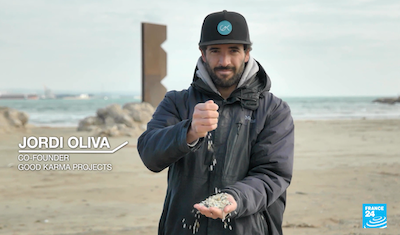
Documental microplásticos: contaminación de la industria petroquímica
Las imágenes son contundentes: una playa que a simple vista parece limpia esconde millones de pequeñas esferas de plástico entre la arena. Este es el
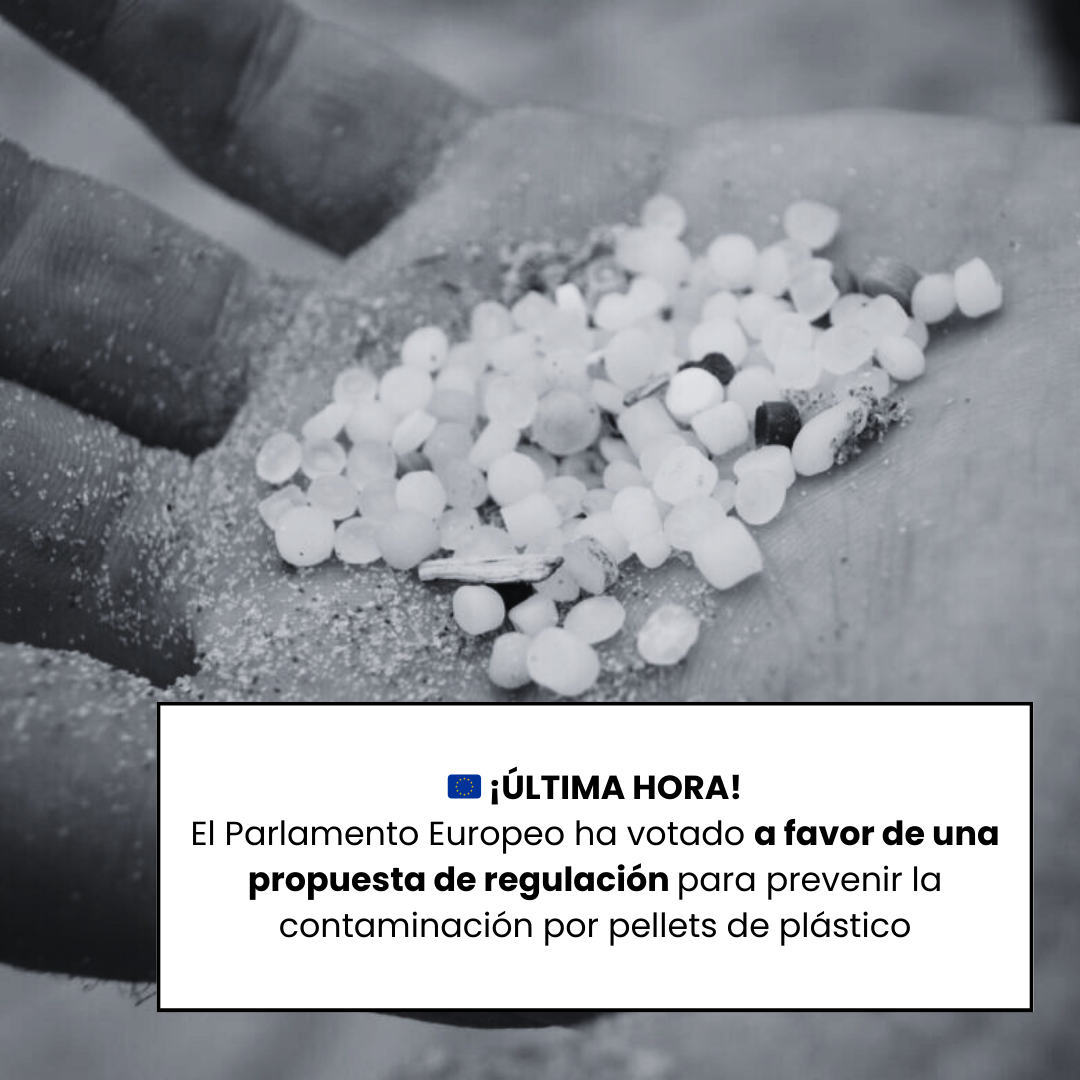
El Parlamento Europeo aprueba regulación para prevenir contaminación por pellets de plástico y microplásticos.
El Parlamento Europeo adoptó la postura propuesta para el Reglamento con el objetivo de controlar la pérdida de pellets de plástico para así frenar la contaminación que causan estos pellets de plástico.
Reports:
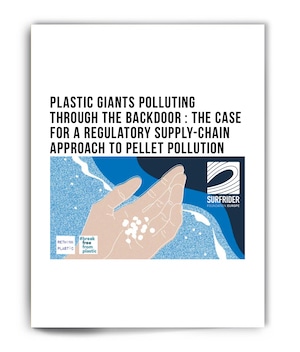
European report by Surfrider Foundation Europe
documentaries
expeditions
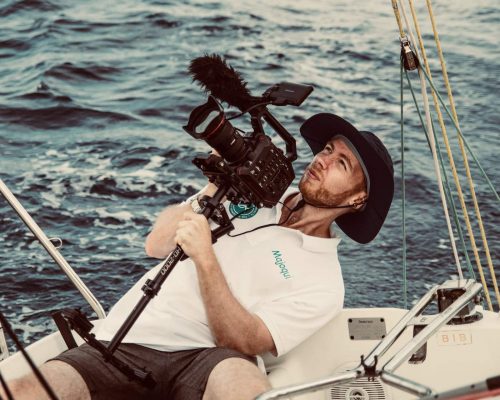
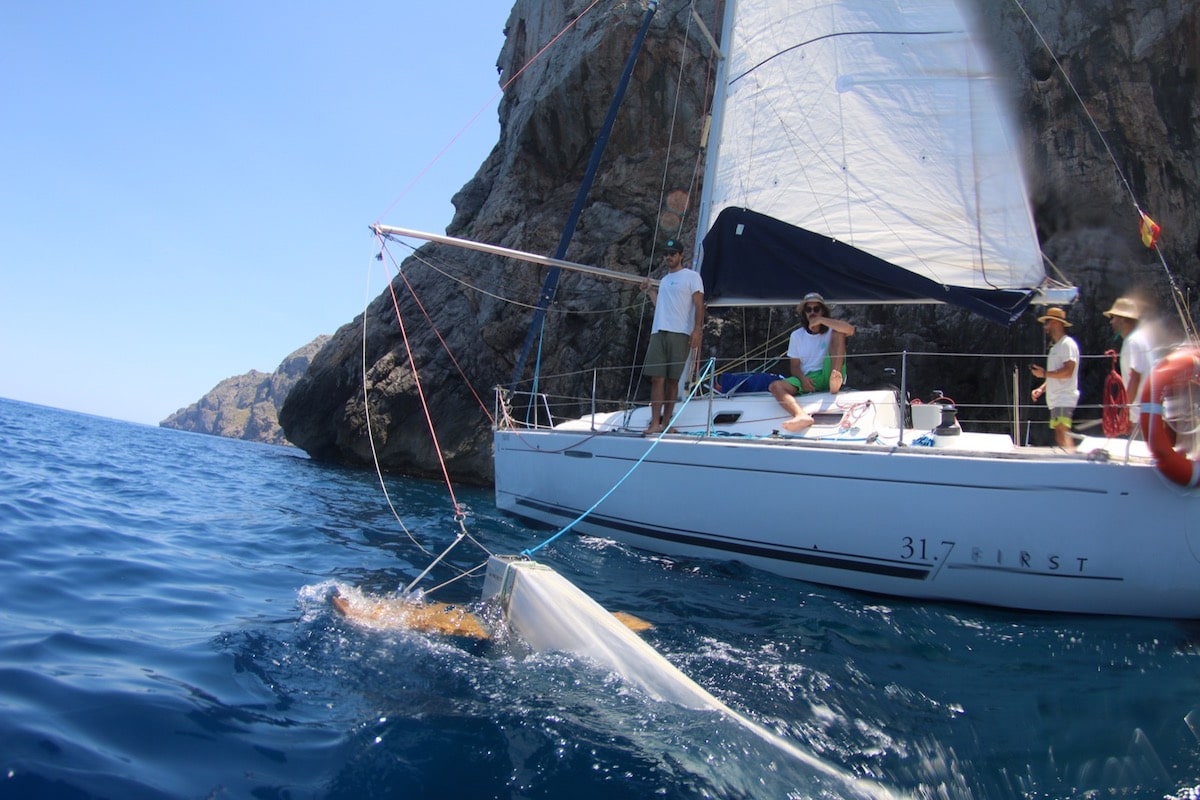
The Good Karma Projects team has been carrying out recurring expeditions in the Mediterranean since 2018 with the aim of giving visibility to the problem of plastics in the Mediterranean through:
Visibility of the problem
Collect real data on the situation of plastic pollution, in order to give visibility to the problem.
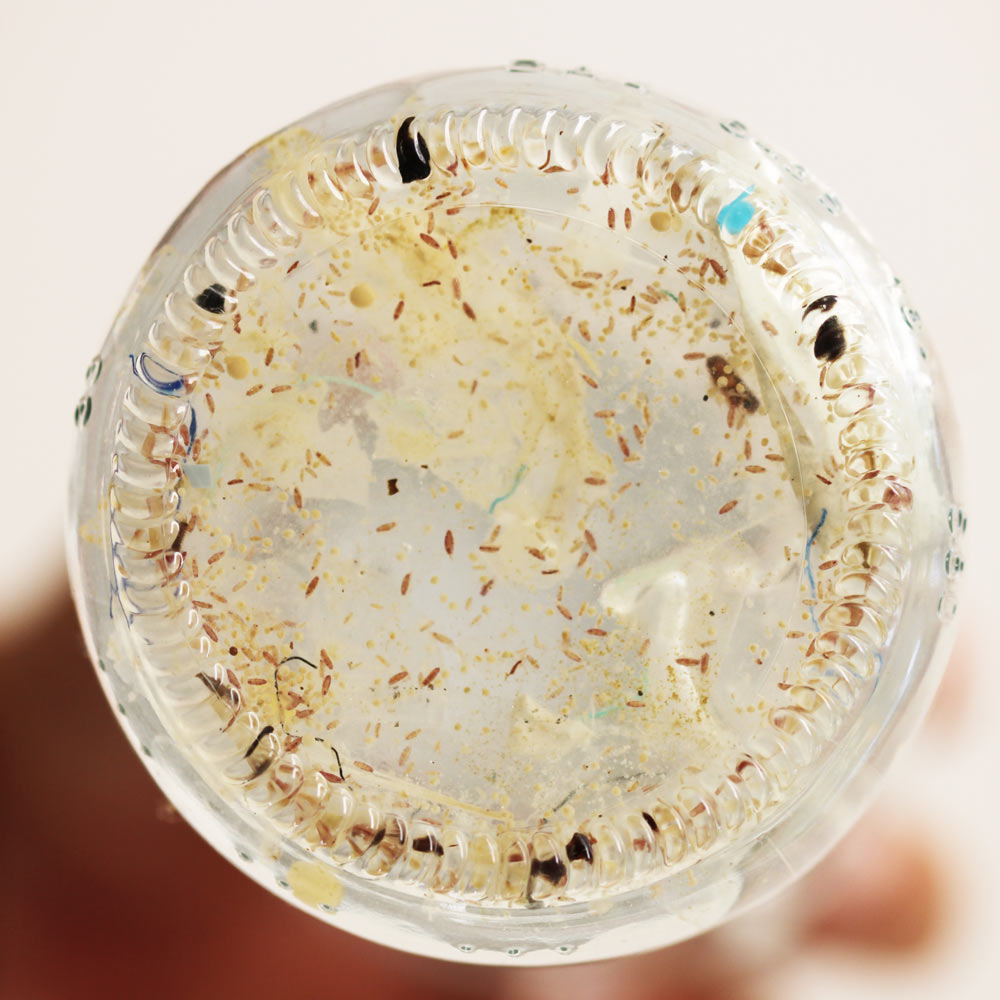
Microplastics sampling
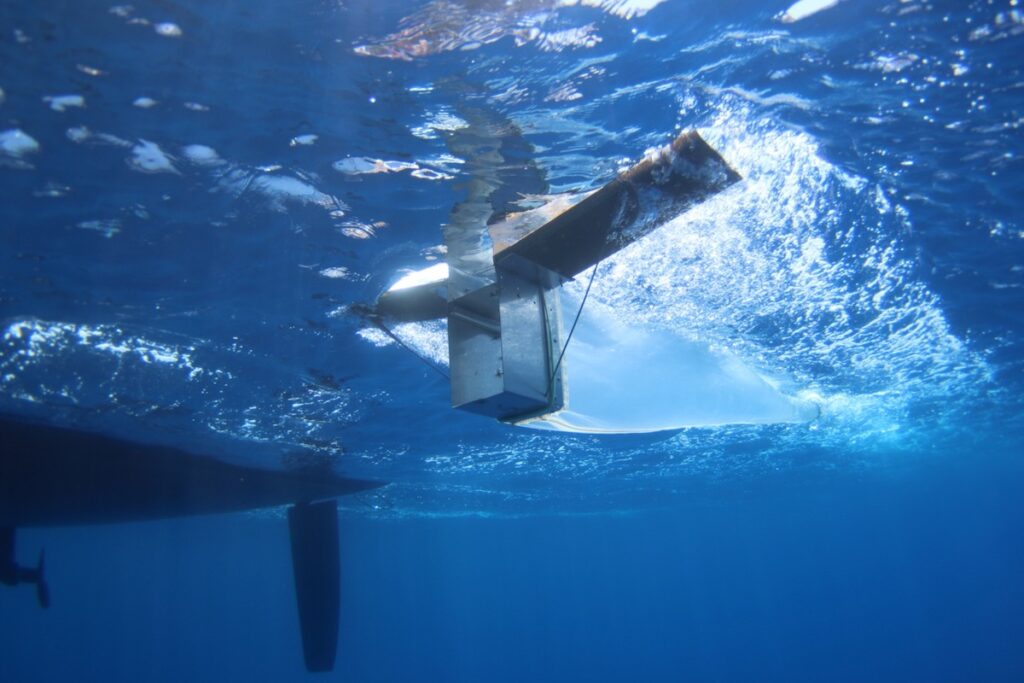
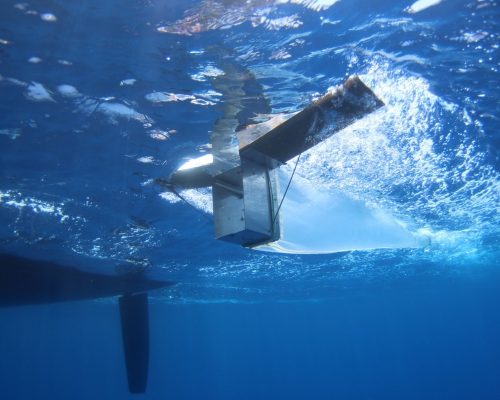
Analysis and quantification of microplastics with Manta Trawl.
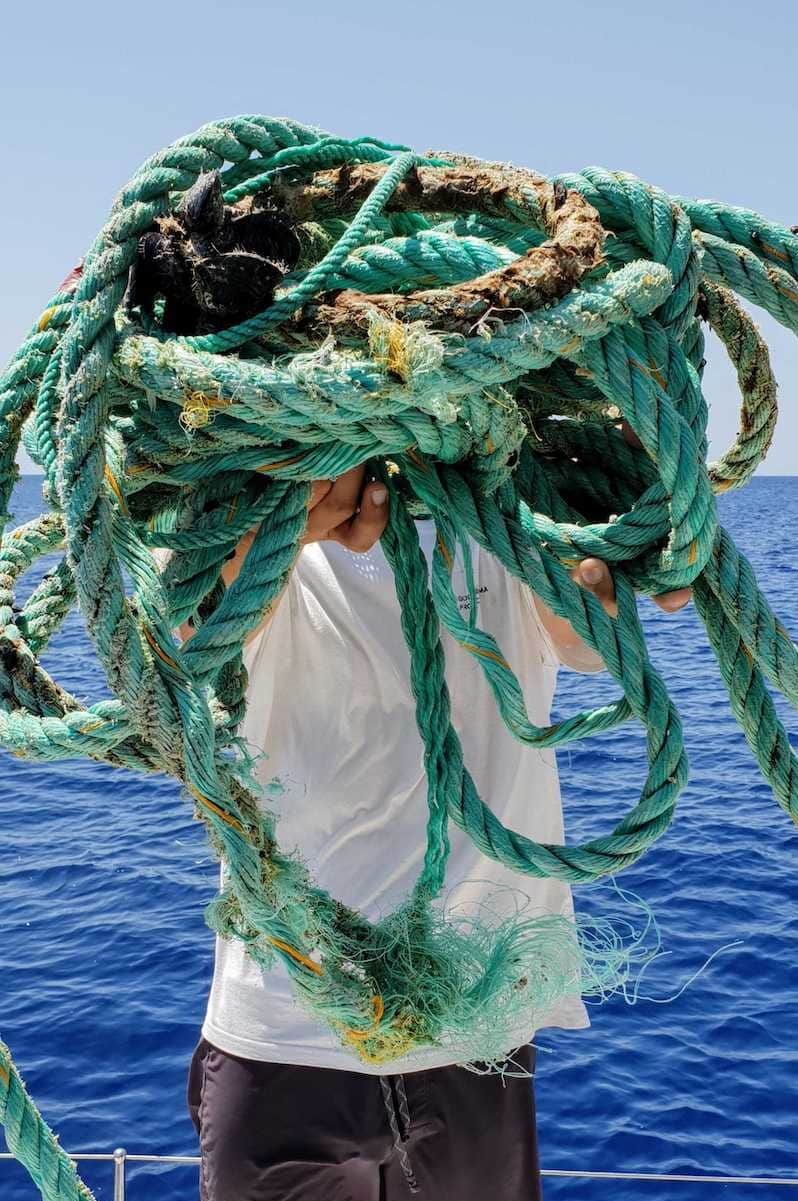
Ghost nets sighting
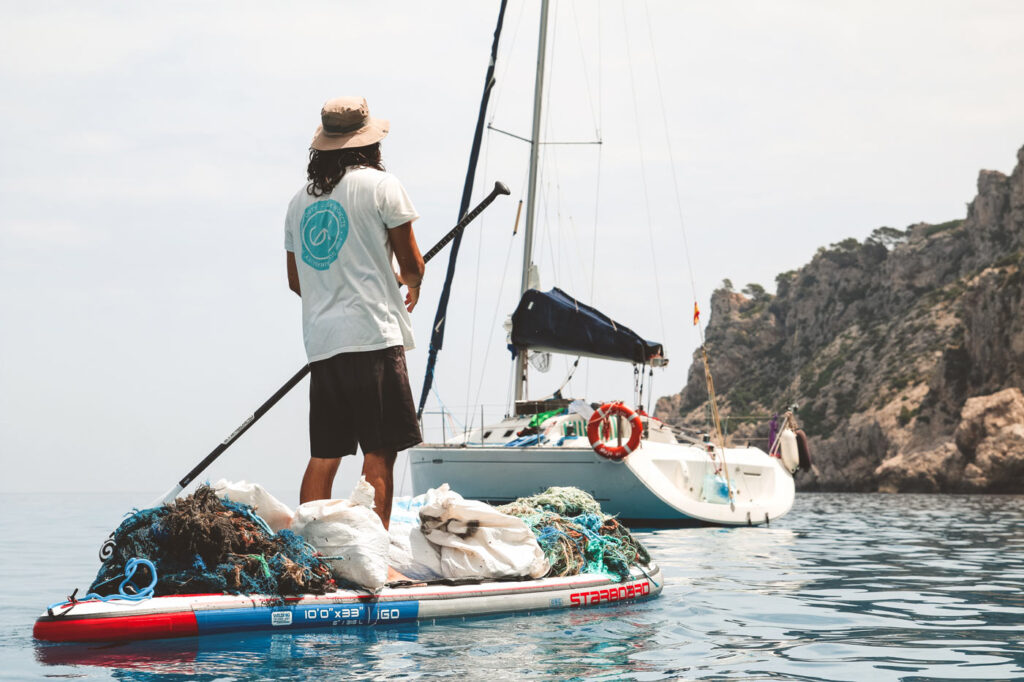
The Good Karma Projects ship and crew are part of the ghost net sighting flotilla of the “Ghost Fads” project of the Save the Med foundation. The project focuses on the threat that drifting fishing gear, ropes, and marine debris in the open ocean pose to pelagic species.
The central action of the project uses telemetry and in-situ studies to analyze how these items move and how they interact with the open-ocean ecosystem. This is to identify the main risk factors to prevent this threat at its source.